Clean power for the technology of tomorrow. Built in Nova Scotia today.


About the
project
A historic announcement for Nova Scotia’s future.
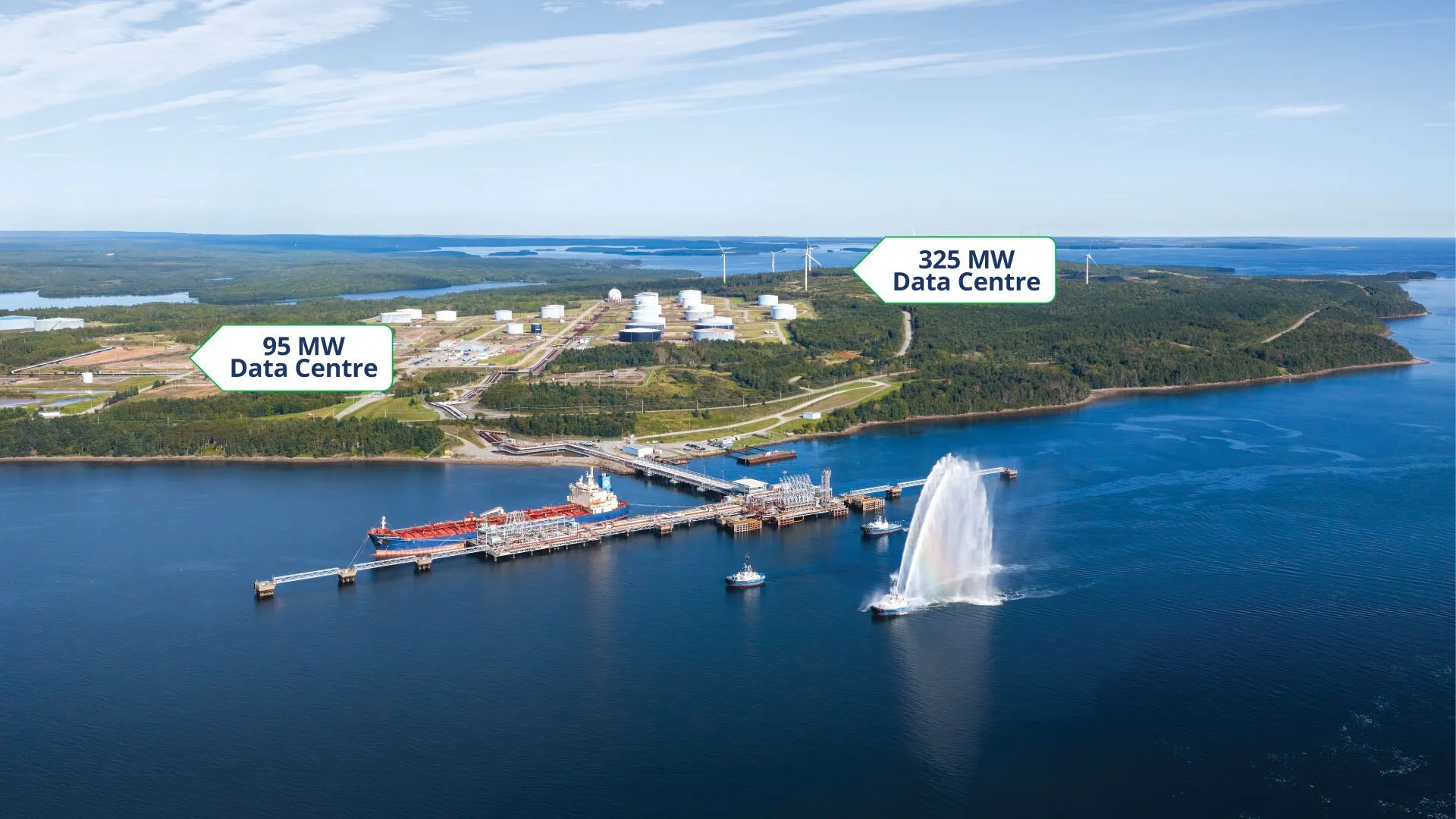
- EverWind has announced plans for more than $10 billion in private investment in a data centre campus at its existing Point Tupper industrial site, along with new wind power generation across Nova Scotia.
- The project is designed around clear commitments: it pays its own costs, protects ratepayers and water resources, maintains grid reliability and delivers lasting local and Mi'kmaw benefits. It also gives Nova Scotia and Canada an opportunity to build more of the energy and computing infrastructure we already depend on here at home.
- The planned investment includes more than $8 billion to develop, construct, own and finance the campus, alongside approximately $2 billion to advance EverWind's Nova Scotia onshore wind portfolio.
- At full planned development, the combined portfolio would represent the largest privately funded investment in Nova Scotia history and is expected to support more than 2,000 construction positions across the staged build-out and approximately 215 well-paying permanent operating positions across the data centre campus and wind portfolio.
Our commitments
As a signatory to the Government of Canada’s Responsible Data Centre Development Principles, and full endorsement of the conditions established by the Province of Nova Scotia, EverWind is committed to meeting – and where possible exceeding these expectations as the project advances.
Creating Lasting Local Benefits
The investment will generate significant economic activity across Nova Scotia:
- Approximately $2 billion in provincial GDP during construction of the full data centre campus.
- Approximately $2.4 billion in direct construction spending in Nova Scotia.
- Approximately $939 million in construction-related employment income.
- At full operation, approximately $137 million in provincial GDP annually and $75.5 million in employment income annually from the data centre.
Minimize Water Use and Environmental Impacts

- The campus will use a closed-loop water-glycol cooling system that continuously recirculates the same cooling fluid. Heat will be removed primarily using air, with water-assisted cooling used during the hottest weather, allowing Nova Scotia’s cooler climate to reduce cooling-water requirements for much of the year.
- The initial 95 MW phase is expected to use approximately 100,000 litres of water per day — roughly comparable to the daily water use of a large shopping mall.
- At the planned full 420 MW build-out, average water use is expected to be approximately 500,000 litres per day, less than one-third of the amount some golf courses can be permitted to use in a day.
Electricity Costs will not shift to Nova Scotians

- The power arrangements are structured around a simple principle: the project pays its own costs. EverWind will fund connection, network-upgrade and other electricity-system costs attributable to the development rather than passing those project-specific costs to existing customers.
- Homes, businesses and other firm customers remain the priority. If the system is under pressure, the campus can be required to reduce its grid draw, while planned battery storage and redundant on-site backup generation support continuity at the facility.
Transparency about Local Impacts and Accountability
- Commercial confidentiality previously limited broad public consultation. However, EverWind has been actively engaging municipal leadership, Mi'kmaw partners, the Province, Nova Scotia Power, and IESO Nova Scotia throughout project advancement. Now that the project is public, broader community engagement and information sessions will continue.
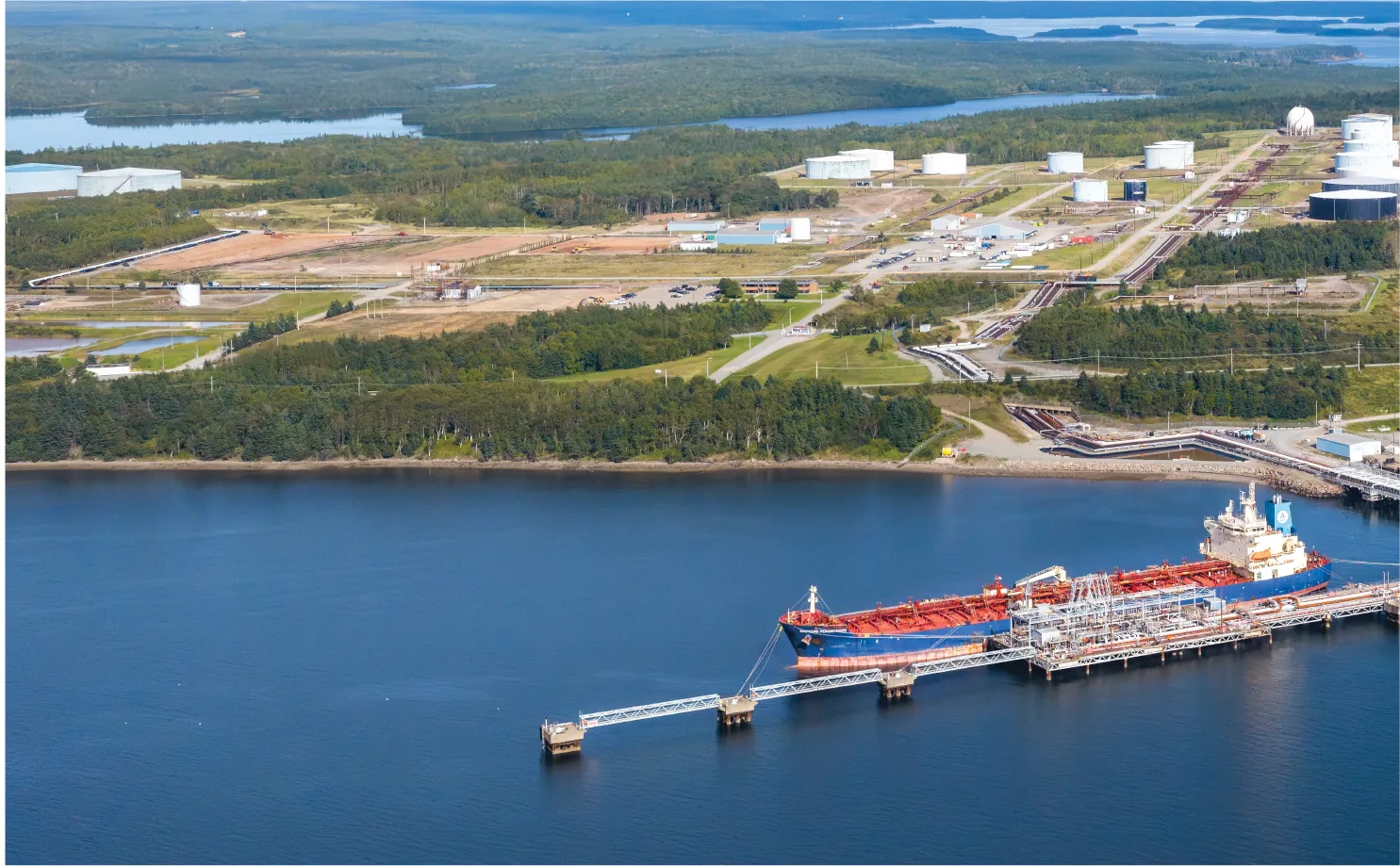
- The campus will be constructed on EverWind-owned, previously developed land within the Point Tupper Heavy Industrial Park. By leveraging existing road, water, port, electrical, and industrial infrastructure, the project avoids creating a new greenfield industrial site.
Bringing Strategic Value to Nova Scotia and Canada
- Canadians rely heavily on cloud computing, digital services, and artificial intelligence. However, current estimates show that Canada hosts only about 35% of the data-centre capacity its population uses. Expanding local capacity reduces reliance on foreign infrastructure, strengthening national digital sovereignty, trade diversification, and energy security.
- Nova Scotia currently consumes roughly 110 MW of data-centre capacity, but only about 25 MW is physically hosted within the province. The initial 95 MW phase at Point Tupper will bring total hosted capacity to 120 MW, matching the computing power Nova Scotians use every day.
Your questions,
answered
EverWind is advancing more than $10 billion in planned private investment in Nova Scotia. The Point Tupper data centre campus represents more than $8 billion of that investment: a 95 MW initial phase followed by a planned 325 MW expansion, for 420 MW at full build-out.
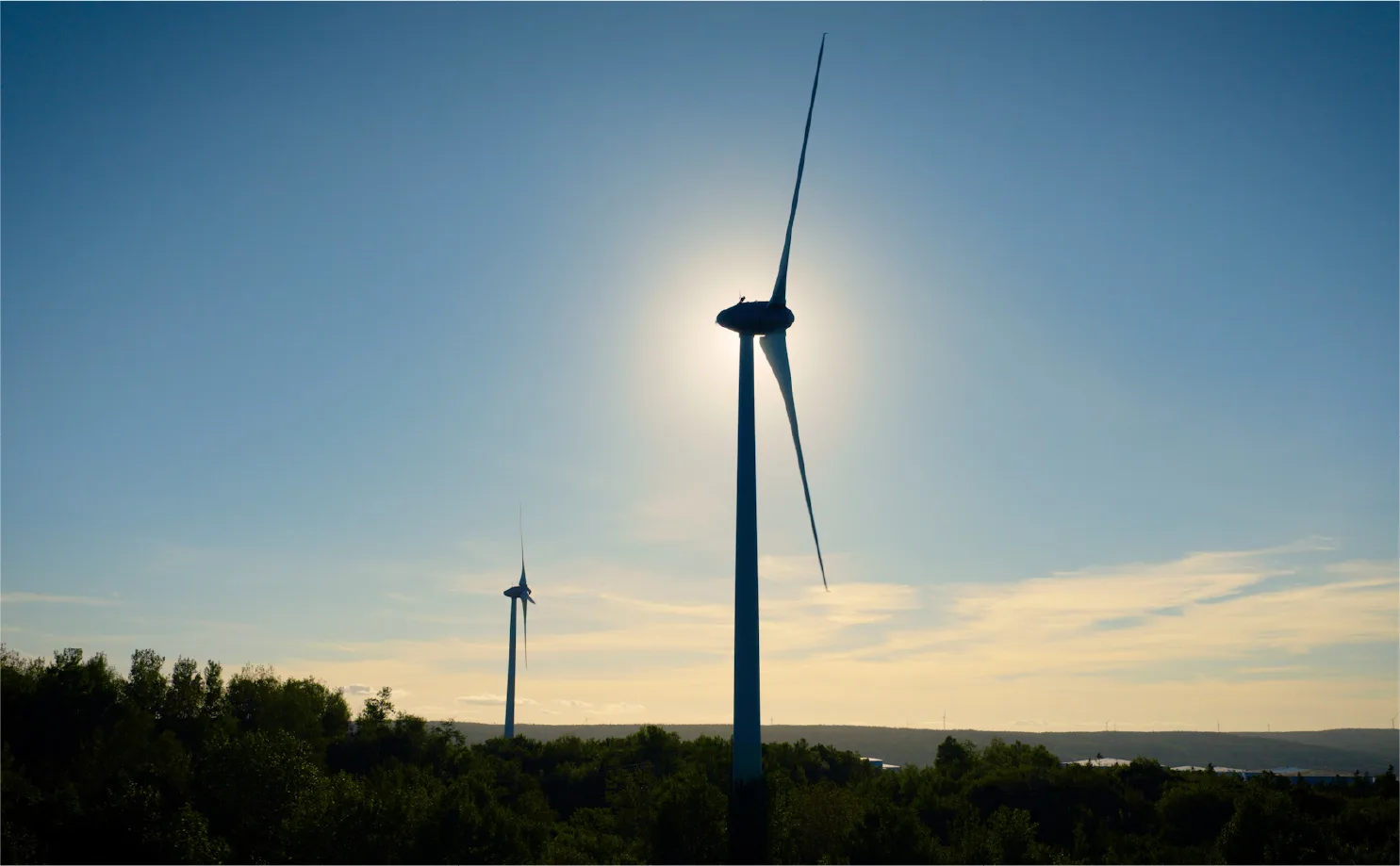
Alongside the campus, EverWind is advancing approximately $2 billion in new Nova Scotia wind generation across Bear Lake, Windy Ridge, Kmtnuk and Upper Afton - more than 80 turbines and more than 650 MW of new renewable electricity. At full planned development, the combined portfolio would represent the largest privately funded investment in Nova Scotia history.
The project is deliberately phased. Phase 1 is a 95 MW facility targeted to be online in late 2027. The planned 325 MW expansion is targeted to begin coming online in 2028, subject to the required commercial, technical, system-planning and regulatory conditions.
The 95 MW phase advances first on an established connection plan. The subsequent expansion proceeds only as the additional transmission, system studies, operating requirements and approvals are completed.
No. The initial 95 MW phase is being advanced first. Its IESO Nova Scotia System Impact Study and Nova Scotia Power Facilities Study have been completed, establishing a technical pathway for interruptible service through the existing Point Tupper connection, subject to the remaining implementation and commissioning requirements.
The planned 325 MW expansion is a separate subsequent phase. It is advancing through refreshed system studies, additional transmission work, tariff and cost-allocation processes and the applicable approvals. It will not be energized until those requirements are complete.
Point Tupper is an established heavy industrial site with existing electrical, water, road, marine and industrial infrastructure, as well as fibre connectivity and a skilled regional workforce. The campus will be built on EverWind-owned, previously developed land inside the Point Tupper Heavy Industrial Park rather than creating a new greenfield industrial site, minimizing the potential impacts on the environment and communities.
That existing infrastructure materially reduces the amount of new off-site development required and places the project in a location that has supported major industrial activity for more than 50 years.
The data centre campus and wind investments are planned to be financed with private capital from EverWind, its investment partners and commercial lenders. Project-specific connection, network, water and other enabling infrastructure costs attributable to the development will be borne by the project rather than shared with existing utility customers.
EverWind will develop, build and own the physical data centre campus, with specialist third-party operators supporting operations. The wind portfolio is being developed with a Membertou-led Mi'kmaw consortium expected to hold a 51% ownership interest at financial close.
The combined development is expected to support approximately 2,000 construction positions across the staged build-out, with the on-site data-centre workforce expected to peak at approximately 2,000 workers during Phase 2 construction. At full development, the data centre is expected to support approximately 115 permanent on-site operating jobs, with salaries currently estimated in the range of $135,000 to $185,000.
Across the broader data centre and wind platform, approximately 215 well-paying permanent operating positions are expected.
Economic modelling also estimates approximately 6,729 direct construction FTE-years and 394 direct operating FTEs per year across Nova Scotia associated with the full data-centre development. These are measures of province-wide employment supported by project spending and are distinct from peak workers physically on site.
The full data-centre development is expected to generate approximately $1.9 billion in provincial GDP during construction, including approximately $939.0 million in employment income and $2.4 billion in direct construction spending in Nova Scotia.
At full operation, the data centre is expected to generate approximately $136.7 million in provincial GDP annually and approximately $75.5 million in employment income annually.
Provincial corporate income tax is projected at approximately $1.5 billion over the initial 20-year term, in addition to personal income taxes and taxes on products and production.
The combined data centre and wind development is projected to generate more than $400 million in municipal tax revenues over the respective project lives, providing long-term revenue for host municipalities.
Separate from those taxes and statutory payments, the project is also committing a dedicated community-development program worth tens of millions of dollars for the initial phase. Priorities will be developed with local communities and the customer.
The project has been designed around the conditions Nova Scotians have said matter most: protecting electricity customers, maintaining grid reliability, using water responsibly, locating development on existing industrial land, creating local benefits and ensuring meaningful Mi'kmaw participation. EverWind is a signatory to the Government of Canada’s Responsible Data Centre Development Principles and supports the conditions established by the Province of Nova Scotia for responsible data centre development.
EverWind's core commitments include:
- No project-driven increase in electricity or industrial water rates for existing customers.
- Full payment of connection, network-upgrade and other electricity-system costs attributable to the project.
- Interruptible operation, battery storage and redundant on-site backup generation to protect grid reliability.
- Closed-loop, low-water cooling and monitoring of water use.
- Containment, stormwater controls and appropriate off-site handling of maintenance wastes.
- Dedicated community benefits, local procurement and meaningful Mi'kmaw economic participation.
The campus will be connected to the Nova Scotia Power grid under an interruptible industrial service model. At startup, the grid will provide the balancing and reliability required by the facility. As EverWind's wind projects enter service, renewable electricity from those projects is intended to supply a substantial share of Point Tupper demand through the provincial grid under long-term power arrangements.
Reliability is built into the operating model. The campus will be able to reduce or stop drawing electricity from the grid when required by the system, while planned battery storage and redundant on-site backup generation support continuity at the facility. EverWind will also fund the project attributable connection, protection, control and network work required for each phase.
The campus will use a combination of battery storage and on-site emergency generation to maintain operations when grid service is interrupted.
The current design contemplates high-efficiency diesel generators for emergency backup, supported by battery energy storage. The generators are intended for backup and emergency operation — they are not planned as a primary source of electricity for the campus and our modeling suggests they will be used infrequently. Final equipment configuration and specifications remain subject to detailed engineering and procurement.
Over time, EverWind plans to add substantially more battery storage at Point Tupper alongside its new wind generation. That storage will help integrate variable wind generation, shift renewable electricity across different periods of the day and allow a larger share of the data centre’s electricity requirements to be supported by our onshore wind across Nova Scotia.
The initial phase has completed the formal IESO Nova Scotia System Impact Study and Nova Scotia Power Facilities Study processes. IESO Nova Scotia has confirmed a technical pathway to serve the 95 MW load on an interruptible basis, subject to the identified technical and operating requirements.
Phase 1 will connect through the existing 138 kV service at the EverWind terminal. No new linear transmission line or new Nova Scotia Power substation is required for the initial 95 MW load. The remaining work is principally implementation of communications, protection and control requirements, commissioning and the applicable customer-service arrangements.
The initial 95 MW phase is being structured as controllable, interruptible industrial load. That means the system operator can reduce the campus load when required to protect the electricity system and firm customers. The project is also paying for the infrastructure it requires rather than asking existing customers to subsidize it.
EverWind is advancing major new electricity supply alongside the new demand: approximately $2 billion in Nova Scotia wind generation, together with battery storage and additional transmission infrastructure for future growth. The long-term objective is to add major new industrial demand together with major new Nova Scotia energy investment.
There is also a broader economic and strategic benefit. The campus would bring significant private investment, jobs, municipal revenues and new infrastructure to Nova Scotia, while expanding computing capacity physically located in Canada rather than relying as heavily on infrastructure elsewhere. That gives Nova Scotia a larger role in the digital economy and strengthens Canada’s domestic computing capacity.
The power arrangements are being structured around a simple principle: the project pays its own costs. EverWind has committed to fund connection, network-upgrade and other electricity-system costs attributable to the data centre rather than passing those project-specific costs to existing customers.
The campus will take service under an approved industrial tariff with interruptibility and other operating requirements to protect reliability. Each phase must complete the required system studies and cost-allocation work before energization. Any broader system or rate effects will continue to be assessed through the normal utility, system-planning and regulatory processes.
No. The initial 95 MW phase will operate as interruptible industrial load, which means homes, businesses and other firm customers remain the priority. If the electricity system is under pressure, the data centre can be required to reduce its draw rather than competing with those customers for power.
There is also an economic benefit to adding a large, steady new electricity customer. Nova Scotia's system is built to meet periods of peak demand, but demand is much lower during other parts of the year. During those lower-demand periods, the data centre can make greater use of available system capacity and generate substantial new electricity revenues. Those revenues help contribute to the fixed costs of operating the electricity system, while EverWind and the customer separately pay the infrastructure costs attributable to the project.
Over time, the project also adds new generation and flexibility to the system. EverWind is advancing approximately $2 billion in new Nova Scotia wind generation, together with battery storage and additional transmission infrastructure. The batteries can reduce and shift grid demand, manage rapid changes in load and help integrate more renewable electricity. Combined with interruptibility, that gives the system operator a large new customer whose demand can be actively managed rather than an inflexible new load.
Taken together, the project is designed to contribute more to the electricity system than it costs to serve, while protecting existing customers from project-driven costs. That net benefit is being quantified through the ongoing system and ratepayer analysis.
Eventually, yes. EverWind’s wind projects are being advanced to supply a substantial share of the Point Tupper campus’s electricity needs through the Nova Scotia Power grid under long-term power arrangements.
The wind farms will put electricity onto the provincial grid, and the campus will take electricity from that same system. The grid will balance the difference from hour to hour. When wind production is high, more of the campus demand can be met by EverWind’s renewable generation. When wind production is lower, the campus can draw from the broader system, subject to its interruptible service arrangements.
That structure also creates benefits for the electricity system. A large, steady industrial customer provides long-term demand that can support investment in new wind generation, while making greater use of available system capacity during lower-demand periods. Battery storage can help smooth the campus’s demand, reduce its grid draw when the system is constrained and improve the integration of renewable electricity.
The result is a large new industrial load being developed alongside major new Nova Scotia generation, storage and transmission investment, with the campus able to reduce its demand when the system needs that flexibility.
Construction is planned to begin in 2026. The first projects are targeted to enter service in 2028, with the balance of the initial portfolio expected online through 2029.
The wind projects have approved environmental assessments, land control and completed System Impact Studies and have been advanced through several years of engineering, permitting and development work.
No. The campus will be grid-connected and will draw from Nova Scotia's electricity system at startup. EverWind is advancing new wind generation in parallel, but the first data centre load is expected to come online before the full wind portfolio is operating.
As those wind projects enter service, renewable electricity can be delivered through the grid to Point Tupper under the planned long-term power arrangements. Battery storage, interruptibility and future transmission investment add further flexibility as the campus grows.
The first phase will be grid-connected, so its electricity supply will reflect Nova Scotia's generation mix at the time it operates. EverWind is not describing the facility as zero-emission or fully renewable from day one.
The development is being paired with more than 650 MW of new Nova Scotia wind generation, battery storage and flexible operation. The system impacts of each phase - including generation, reliability and emissions implications - will continue to be assessed through the provincial system planning and utility processes as the project advances.
No. On-site backup generation is intended to support the facility during grid outages or interruptions and is not the primary electricity supply for the campus. Normal operation is based on grid service, with new wind generation and battery storage providing additional energy and flexibility over time.
Any backup-generation equipment will be subject to the applicable environmental, permitting and operating requirements.
Some do. The Point Tupper campus is specifically being designed to use relatively little water. It will use a closed-loop cooling system that continuously recirculates the same cooling fluid, while Nova Scotia’s cooler climate allows the facility to rely heavily on air cooling.
Phase 1 is expected to use approximately 100,000 litres of water per day — roughly comparable to the daily water use of a large shopping mall.
At the planned full 420 MW build-out, average water use is expected to be approximately 500,000 litres per day. That represents approximately 1% of Landrie Lake’s identified daily safe yield of approximately 36 million litres per day.
For another comparison, 500,000 litres per day is less than one-third of the amount many golf courses can be permitted to use in a day.
A closed-loop system continuously recirculates a water-glycol mixture through a sealed cooling circuit. It works on the same basic principle as a household refrigerator: the cooling fluid moves through a closed system, absorbs heat and is reused rather than continuously drawing and discharging fresh water.
Only limited make-up water is required for normal system losses and operating conditions. Heat will be removed primarily using air, with water-assisted cooling used during the hottest weather. Nova Scotia's climate therefore helps reduce cooling-water requirements for much of the year.
The most important protection is the design itself. The campus uses closed-loop cooling, makes extensive use of dry cooling and draws from the existing Point Tupper industrial water system. EverWind has also committed that the project will not create a project-driven increase in industrial water rates for existing customers.
Normal industrial safeguards will include containment and stormwater-management systems around fuel, transformer and equipment areas; appropriate collection, recycling or off-site handling of maintenance wastes; monitoring of water use and environmental performance; and compliance with applicable municipal, provincial and federal requirements.
Point Tupper is an established heavy industrial site, and the campus will be built on EverWind owned, previously developed land. It can use existing roads, water, electrical, transportation and industrial infrastructure rather than requiring a new greenfield industrial site.
The industrial location also creates separation from nearby residential areas. Final design and operations will remain subject to the applicable requirements for noise, lighting, emissions, stormwater, waste management and environmental performance.
The campus is being developed within the Point Tupper Heavy Industrial Park, several kilometres from Port Hawkesbury and away from residential neighbourhoods. That siting is a significant advantage for managing operational noise, lighting and construction activity.
A project of this scale will still create visible construction activity at the industrial site. EverWind will manage lighting, traffic, security and operating noise through final design, applicable permits and coordination with local authorities.
A project of this scale will create a noticeable period of construction activity, but most of it will be concentrated inside the Point Tupper Heavy Industrial Park. Work will include site preparation, internal access improvements, temporary worker facilities, electrical infrastructure, cooling equipment and construction of the data centre buildings.
EverWind will coordinate traffic, security, major deliveries and construction logistics with local authorities. Existing industrial roads, port access and utility infrastructure reduce the amount of new off-site construction required and help keep impacts on neighbouring communities manageable.
The project is subject to multiple layers of accountability. Electricity-service and interconnection requirements are implemented through IESO Nova Scotia and Nova Scotia Power processes; environmental obligations are enforced through the applicable permits and approvals; and each phase must meet its required technical conditions before it can be energized.
EverWind has also proposed entering into a formal implementation agreement with the Province that would document the project’s key commitments, reporting requirements and accountability measures as the development proceeds. That could include areas such as ratepayer protection, water use, local and Indigenous benefits, system reliability and project-specific infrastructure costs.
EverWind also supports clear public reporting on the commitments most important to communities, including water use, local procurement, community benefits and Indigenous participation. Public confidence will have to be earned through performance and evidence as the project advances.
Nova Scotians already rely on computing infrastructure every day, but only a small share of the capacity supporting that activity is located here.
Current estimates suggest Nova Scotia uses the equivalent of roughly 110 MW of data-centre capacity, while only about 25 MW is physically hosted in the province today. The initial 95 MW Point Tupper phase would bring hosted capacity to roughly 120 MW — approximately enough to match the computing capacity Nova Scotians already use.
That gives Nova Scotia an opportunity to bring more of the infrastructure behind the digital economy home, along with the associated private investment, construction work, skilled employment, municipal revenue and energy infrastructure.
The customer will ultimately determine which workloads and data are hosted at the campus, but the project is being developed in part to expand the computing infrastructure available in Canada and to serve growing Canadian demand.
That creates more capacity to keep Canadian workloads — including sensitive or critical data where appropriate — physically located in Canada rather than relying on infrastructure in other jurisdictions. The customer has also committed publicly to the principle of keeping critical Canadian data in Canada
EverWind is committed to meaningful Mi'kmaw participation through ownership, procurement, employment, training and long-term infrastructure opportunities. The wind portfolio is structured with a 51% equity interest for a Membertou-led Mi'kmaw consortium at financial close.
Negotiations are underway with a First Nations consortium led by Membertou Development Corporation for an ownership stake in the data centre campus, subject to completion of the applicable agreements. EverWind will continue to work with Mi'kmaw partners as the project advances.
No. EverWind’s green hydrogen and ammonia plans remain an important part of the Point Tupper platform. The data centre adds a major near-term industrial use for the same site, renewable energy portfolio and infrastructure while international hydrogen and ammonia offtake markets continue to develop.
The hydrogen project remains technically advanced: environmental approvals and FEED work have been completed, and EverWind is participating in the H2Global North American auction to sell green-ammonia. The data centre helps maintain investment momentum in wind, transmission and shared infrastructure that can also support hydrogen and ammonia over time.
For Phase 1, the core System Impact Study and Facilities Study work has been completed. Remaining work includes implementation of the identified protection, control and communications requirements with NSPI and the IESO, final customer-service arrangements, commissioning and any applicable project permits or approvals.
The planned 325 MW expansion has a separate pathway that includes refreshed system studies, additional transmission infrastructure, tariff and cost-allocation treatment, operating requirements and the applicable commercial and regulatory approvals. The public announcement does not replace any of those processes.